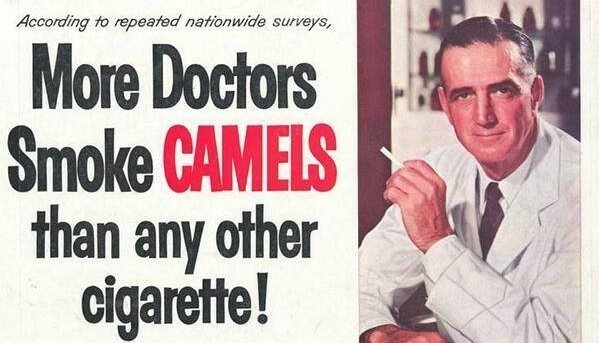
The widespread acceptance of marijuana use among teenagers poses a significant danger to their health and well-being, echoing historical patterns seen with the acceptance of cigarette use in the mid-20th century. As society grapples with shifting attitudes towards marijuana, it’s crucial to understand the parallels between its acceptance today and normalization of cigarette smoking in the 1940s and 1950s, particularly concerning the impact on adolescent health.
Firstly, consistent marijuana use among teenagers can have detrimental effects on their developing brains. Research indicates that the adolescent brain is particularly vulnerable to the effects of marijuana due to ongoing neurological development. Regular use during this critical period can impair cognitive function, memory, and attention, hindering academic performance and future prospects. Additionally, early and prolonged exposure to marijuana increases the risk of developing mental health disorders such as anxiety, depression, and psychosis, exacerbating the challenges of adolescence and potentially leading to long-term consequences.
Furthermore, the normalization and widespread availability of marijuana contribute to its increased use among teenagers. Just as cigarette advertising glamorized smoking in the mid-20th century, the legalization and commercialization of marijuana in many communities like Union City regions have made it more accessible and promote it as “socially acceptable.” The portrayal of marijuana in popular culture, coupled with relaxed regulations, fosters an environment where its use is perceived as harmless or even beneficial. This normalization can desensitize teenagers to the potential risks and encourage experimentation, leading to a pattern of consistent use.
The parallels between the acceptance of marijuana today and cigarette smoking in the past are striking. In the ‘40s and ‘50s, cigarettes were widely promoted as fashionable and sophisticated, with endorsements from celebrities and doctors alike. Smoking was not only socially acceptable but also encouraged as a way to alleviate stress or enhance social interactions. Similarly, marijuana is increasingly portrayed as a recreational activity or a harmless way to unwind, mirroring the cultural attitudes towards cigarettes decades ago.
However, as we now know, the widespread acceptance of cigarette smoking had devastating consequences for public health. It took decades of scientific research and public awareness campaigns to debunk the myths surrounding cigarettes and highlight their harmful effects. We must apply the lessons learned from the tobacco epidemic to address the dangers of consistent marijuana use among teenagers.
Educational initiatives, stricter regulations, and reduction of ease of access are essential to combat normalization of marijuana use and prevent its detrimental impact on adolescent health. The Union City Council needs to modify the municipal code governing the operation of recreational marijuana stores in our city. Updating current municipal codes to limit the number of marijuana-related businesses and restricting placement of such stores to commercial retail districts (far from schools, private residences and multi-family housing) are important first-steps toward protecting our children.
Union City promotes itself as a “Compassionate City”. Isn’t it about time city leaders start acting like it and show some compassion for the health and well-being of our children?
